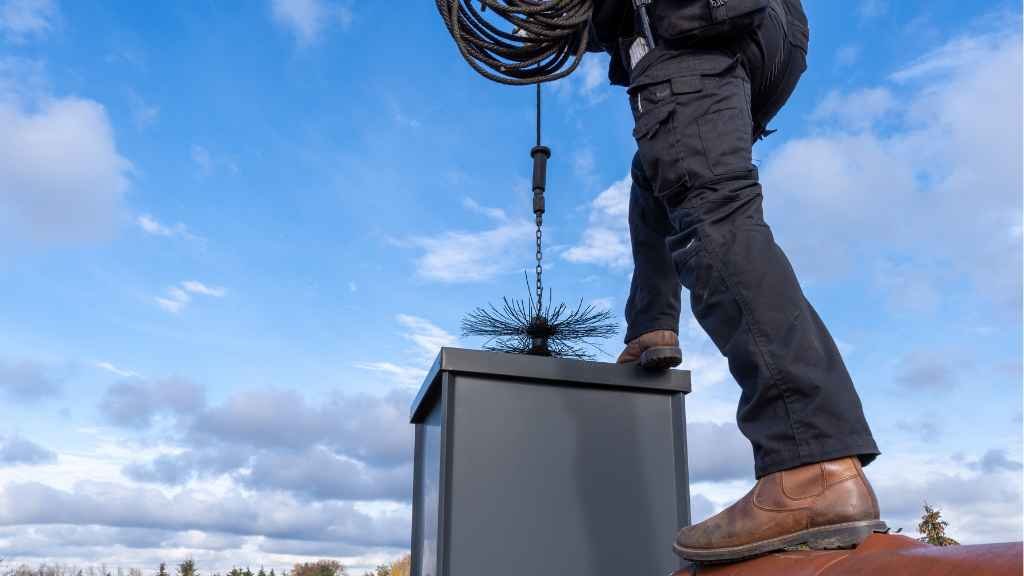
Chimneys are often one of the most overlooked features in a home, yet they play an essential role in ensuring your home remains safe and comfortable. Whether you’re heating your home during Seattle’s rainy, cold winters or enjoying a cozy fire on a crisp fall evening, a well-maintained chimney is critical. However, over time, your chimney can become damaged, leading to safety concerns and costly repairs. In this blog, we will guide you through how to identify chimney damage early in your Seattle home, so you can address issues before they escalate.
Understanding the Importance of Chimney Maintenance in Seattle
Seattle’s unique weather patterns—heavy rainfall, high humidity, and the occasional freeze—can take a toll on your chimney. Without regular inspection and maintenance, these elements can cause issues that go unnoticed until it’s too late. A well-maintained chimney ensures the proper flow of smoke and gases, protects your home from fire hazards, and prevents carbon monoxide from leaking into your living space. In Seattle, where homes are often older, keeping your chimney in top shape is even more critical to avoid potential damage that could compromise your safety.
Look for Cracks or Gaps in the Chimney Structure
One of the first signs of chimney damage is visible cracks or gaps in the chimney’s masonry. Over time, weather exposure, wear and tear, and freezing temperatures can cause the bricks or mortar to crack. These cracks can allow water to seep in, which, if left untreated, can lead to further damage as the water freezes and expands in the colder months. It’s important to inspect the structure of your chimney for any visible damage and address it immediately. If you notice any signs of cracking, it’s best to call for Chimney Services in Seattle to conduct a professional inspection and repair.
Water Stains Around the Chimney
Water damage around your chimney can signal a serious issue. Seattle’s frequent rain means that moisture can easily seep into the chimney system, leading to water stains on the ceiling or walls near the fireplace. If you notice dark spots or streaks forming around your chimney, this is a clear indication that water is getting into your chimney system, which can result in mold growth, rusting of metal components, and deterioration of masonry. Catching water stains early is crucial in preventing costly repairs down the road.
Soot and Creosote Buildup
Another sign of chimney damage is the buildup of soot and creosote inside the flue. Creosote is a byproduct of burning wood, and over time, it can build up in the chimney, creating a fire hazard. If you notice a black, tar-like substance lining the inside of your chimney or see an increase in the amount of soot being emitted when using your fireplace, it could be a sign that your chimney needs cleaning and maintenance. Regular cleaning by professionals, like those offered by Evergreen Chimney Sweep, can help prevent creosote from building up to dangerous levels, reducing the risk of chimney fires.
Damaged Chimney Cap or Crown
A chimney cap or crown is the protective covering on top of your chimney that keeps out debris, animals, and moisture. If your chimney cap or crown is damaged or missing, rainwater and other elements can enter your chimney, leading to rust, decay, or mold. The cap and crown also serve the important function of helping prevent downdrafts and keeping the chimney venting properly. Inspect the top of your chimney to ensure the cap is securely in place and free of cracks or damage. A professional chimney inspection can help determine if it needs to be repaired or replaced.
Draft Issues or Smoke Backing Into Your Home
One of the most noticeable signs of chimney problems is smoke backing up into your home. If you’ve noticed smoke or unpleasant odors lingering in your living space when you use the fireplace, your chimney may be clogged or damaged. This can be caused by blockages such as bird nests, debris, or excess creosote buildup. When the airflow is obstructed, smoke is forced back into the home, which not only makes your home uncomfortable but also poses a serious health risk. If you’re experiencing this issue, it’s essential to schedule a professional inspection as soon as possible.
Carbon Monoxide Risks
One of the most dangerous risks associated with a damaged chimney is the potential for carbon monoxide buildup in your home. A blocked or poorly ventilated chimney can trap harmful gases like carbon monoxide, which can seep into your living space. Carbon monoxide is a colorless, odorless gas that can be deadly if inhaled in large quantities. If you suspect your chimney may be compromised, it’s crucial to call for an inspection. A functioning chimney ensures the safe venting of gases from your home.
Preventative Maintenance is Key
The best way to avoid significant chimney damage is through regular maintenance and inspections. In Seattle, the weather can be harsh on your chimney, but routine cleaning, chimney cap inspections, and masonry repairs can keep it in top condition year-round. Having your chimney inspected annually is an essential step in identifying potential problems before they become major issues. Make it a habit to inspect your chimney each year, especially before the colder months hit, so you can enjoy your fireplace safely and efficiently.
Why You Should Call a Professional Chimney Sweep
Chimney repair and maintenance is a delicate process that requires the expertise of professionals. If you notice any signs of damage, it’s best to hire a professional chimney sweep who is trained to diagnose and repair issues safely. Evergreen Chimney Sweep in Seattle has the knowledge and tools to identify and fix chimney problems, ensuring your home stays safe and warm during the colder months.
Stay tuned for more blog updates and tips on chimney maintenance. Don’t hesitate to return for more helpful advice on keeping your home safe and cozy.