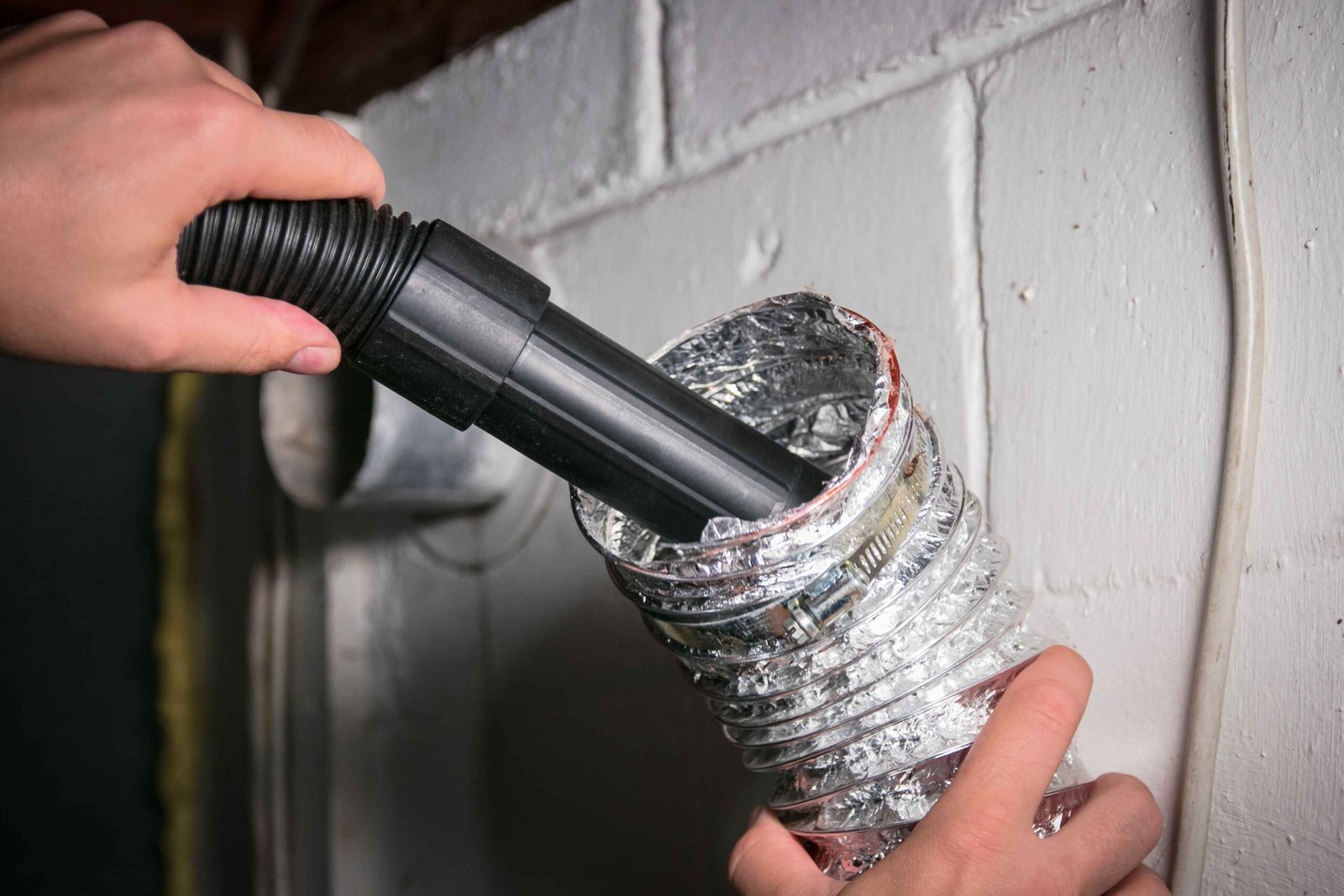
In Seattle, the weather can be notoriously rainy and humid, making it the perfect breeding ground for moisture buildup in various areas of your home. Yet, despite the weather’s effects on home maintenance, one crucial task often goes overlooked: dryer vent cleaning. It’s easy to assume that your dryer is doing its job as expected, but the truth is that a clogged dryer vent can significantly impact your home’s safety and the performance of your dryer. Regular dryer vent cleaning protects your dryer and your home from potential fire hazards, improving air quality, and saving you money. In this blog, we will explain why dryer vent cleaning is particularly important for Seattle homeowners and how regular maintenance can prevent costly repairs in the long run.
What Happens When Dryer Vents Are Clogged?
Living in Seattle means dealing with weather that is frequently damp and humid. This combination can cause moisture to accumulate in the dryer vents, making them especially vulnerable to clogs. The dryers in Seattle homes are often put to the test, working harder than usual to remove moisture from clothing and linens. Over time, lint, dust, and other debris naturally accumulate in the dryer vent, making it harder for air to flow freely.
When dryer vents are clogged, the airflow becomes restricted, causing your dryer to work harder to dry your clothes. This added strain leads to longer drying times, which in turn increases your energy consumption. As a result, your energy bills will spike, and your dryer will wear out much faster, shortening its lifespan. This raises your costs and compromises your home’s overall safety.
The most alarming consequence of a clogged dryer vent is the risk of fire. Lint is highly flammable, and if it accumulates in the vent, it can heat up and ignite, leading to potentially devastating fires. The National Fire Protection Association estimates about 16,000 home fires a year involve clothes dryers or washing machines, and many are attributed to blocked vents. In a city like Seattle, where rain and humidity add to the buildup of lint and debris, dryer vent cleaning should be a priority to reduce the risk of fire in your home.
The Benefits of Regular Dryer Vent Cleaning in Seattle
Maintaining a clean dryer vent is essential for a number of reasons, especially for homeowners in Seattle. First and foremost, a clean vent helps ensure that your dryer operates efficiently. When airflow is unrestricted, the dryer can expel moisture more effectively, reducing the drying time for clothes and keeping your appliance from working harder than necessary. This saves time and reduces wear and tear on your dryer, leading to a longer lifespan and fewer repair costs in the future.
In addition to boosting dryer efficiency, regular cleaning of the dryer vent can help lower your energy costs. When a dryer vent is clogged, the appliance needs more energy to dry clothes, raising your monthly utility bills. By maintaining a clean vent, you reduce the strain on your dryer, which helps lower energy consumption. This is especially important in Seattle, where the winter months can bring higher electricity costs due to the need for indoor heating.
Finally, a clean dryer vent significantly reduces the risk of a dryer fire. As mentioned earlier, lint buildup is highly flammable, and blocked dryer vents are a leading cause of residential fires. Cleaning the vent regularly eliminates the fire risk, ensuring your home is safer and more secure.
How Often Should You Clean Your Dryer Vent?
Experts generally recommend cleaning your dryer vent at least once a year. However, in Seattle’s damp climate, it’s important to take extra precautions and clean your vent more frequently. Because the local weather can cause more moisture buildup and accelerate lint accumulation, Seattle homeowners may want to consider scheduling dryer vent cleanings every 6 to 12 months. The key is to watch for signs that indicate your vent needs immediate attention.
If you notice that your clothes are taking longer than usual to dry, this is one of the most common signs of a clogged dryer vent. Another red flag is when the dryer feels unusually hot to the touch, which can indicate that it’s working harder to push warm air through a blocked vent. A burning smell while the dryer is running, increased lint buildup around the dryer, or a clogged exhaust hood are also signs that the vent needs cleaning.
If you experience any of these issues, it’s a clear indication that your dryer vent is blocked and requires professional attention. Ignoring these signs could lead to more serious issues, including a malfunctioning dryer, increased energy costs, or even a fire hazard in your home.
Next step
Booking a fall visit? See what our chimney sweep service includes, or request a fixed quote with your zip code.